Printed Basketballs vs Standard Basketballs: What’s the Difference?
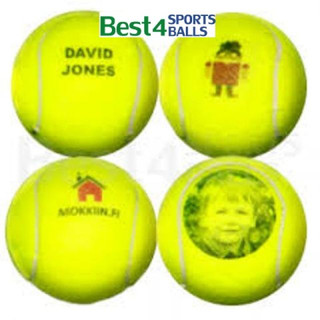

Despite having similar appearances, basketballs have different functions. The distinction between printed basketballs and regular balls extends beyond look to include branding, functionality, and intended use. Knowing the distinctions between these options will help you make the best choice without sacrificing performance or wasting money, whether you're buying for retail resale, promotional events, or sports training.
What Are Standard Basketballs?
The sole purpose of standard basketballs is to facilitate play. Grip, bounce consistency, longevity, and court performance are their main priorities. Depending on whether they are intended for indoor, outdoor, or professional use, the majority are made from rubber, composite leather, or real leather. Manufacturers meticulously optimize the surface texture and panel structure for playability because normal balls do not have customized branding. Standard basketballs continue to be the go-to option for schools, clubs, and competitive games when performance is the only consideration.
What Makes Printed Basketballs Different?
Printed basketballs provide a branding element to a basketball's basic functionality. Customized logos, team names, sponsor marks, or advertising visuals are printed right onto the surface of these balls. Playing the game is only one of the objectives; another is raising brand awareness. Printed basketballs are widely used by businesses for corporate gifts, retail, sporting events, and marketing efforts. Professional printing transforms the ball into a moving advertisement that moves wherever the game is played while preserving the ball's grip and balance.
Performance: Is There Any Real Difference?
Many customers become hesitant at this point, which is reasonable enough, to be honest. Surface texture can occasionally be impacted by poor printing quality, which can affect feel or grip. On the other hand, premium printed basketballs are made with specific printing methods that maintain the original performance attributes. When the balls are made by a reliable manufacturer, the performance difference is typically insignificant for recreational play, promotional, or youth training. Although well-made printed balls work flawlessly for the majority of real-world applications, some organizations still prefer unprinted balls for elite competitive matches in order to maintain complete uniformity.
Branding Power and Visibility
Printed basketballs are the clear leader in this area. Conventional balls have little effect on brand recall. They have no identity, no message, and no marketing value once they are out of your hands. Conversely, printed copies result in recurrent exposure. Players and onlookers may see the emblem on every dribble, pass, and shot. This ongoing presence has a discernible impact on brand awareness for competitions, educational institutions, sports academies, and advertising campaigns.
Cost Considerations
Standard basketballs are typically less priced because they don't need to be customized. Printed basketballs usually cost more per unit due to the design setup and printing process. However, when used for marketing or sponsorship, the extra cost often yields long-term promotional value. Purpose, not just money, is the basis for the real decision. If you only require standard balls for practice, they might be suitable. If you want equipment that also promotes your business, the printed options provide a much larger return on investment.
Which One Should You Choose?
Your objective will determine which option is best for you. Standard basketballs continue to be dependable for high-volume training and pure performance. By fusing usefulness and visibility, printed basketballs offer a certain edge for branding, events, retailing, or corporate promotions.
Final Thoughts
At their core, both types of basketball serve the game, but only one serves your brand. Standard balls focus solely on play, while printed basketballs add a powerful marketing layer without sacrificing usability when produced correctly. For organisations looking to maximise both performance and exposure, the printed option often proves to be the smarter long-term investment. 🏀


Comments